What makes a forensic dryer vent audit different from a cleaning?+
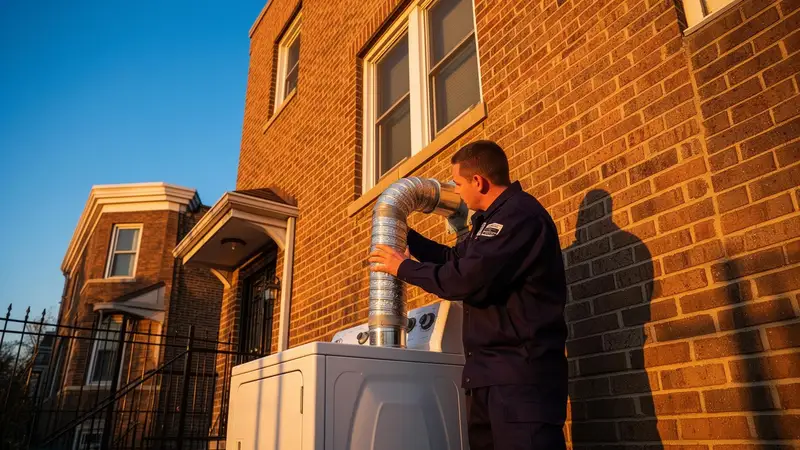
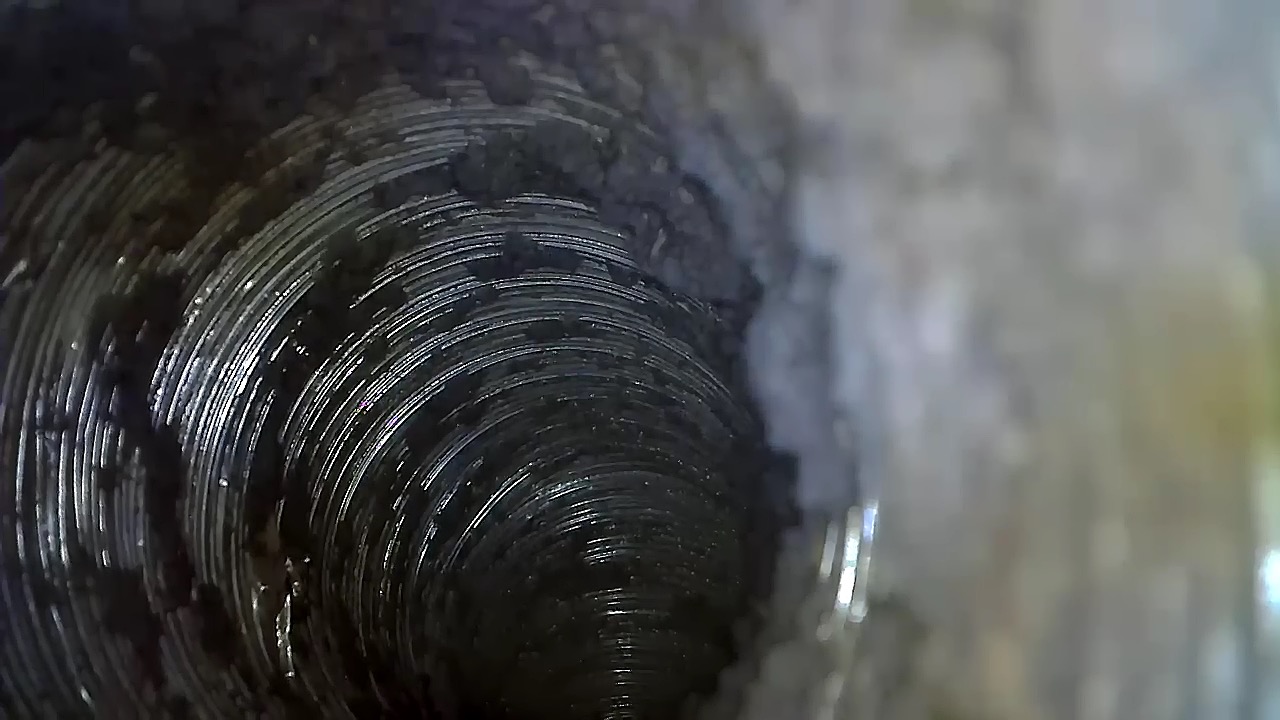
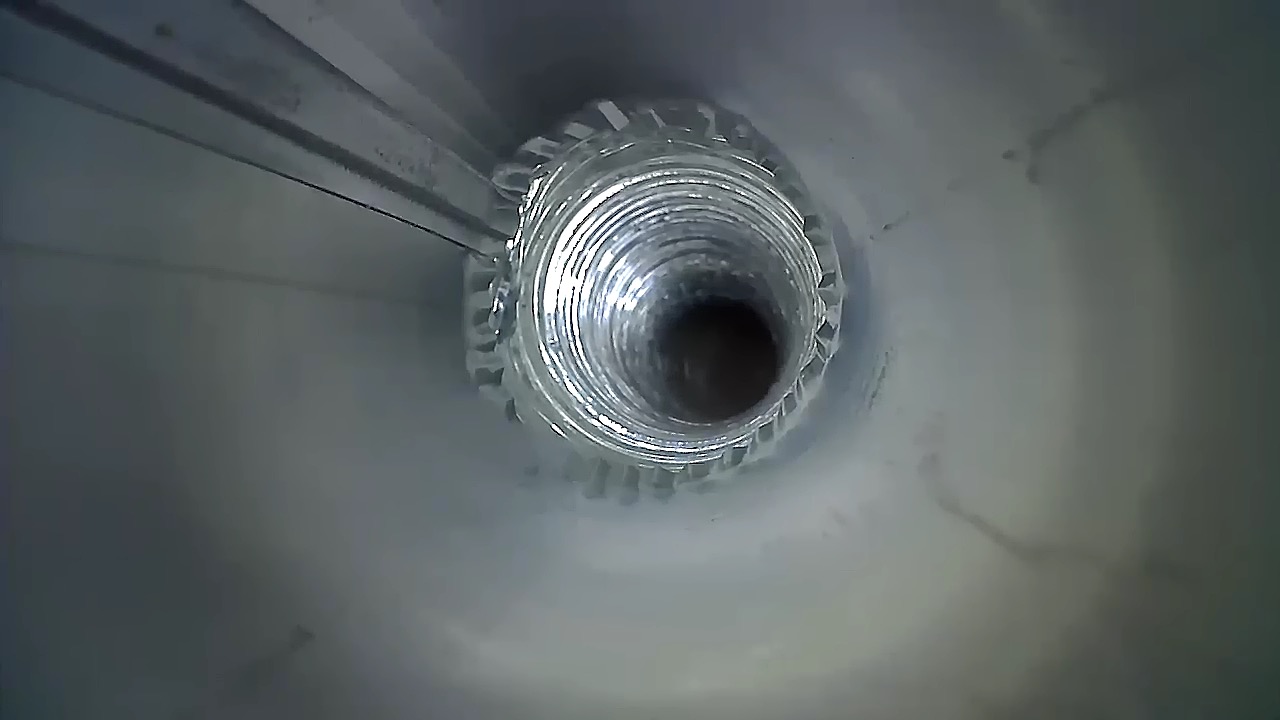
A cleaning extracts lint. A forensic audit measures and documents results: pre/post airflow with an anemometer (FPM), back-pressure with a manometer (in. w.c.), borescope photos of the duct interior, carbon monoxide testing at the vent outlet, and a full IRC M1502 + Chicago 18-28-504 code-compliance checklist. You receive a printable report with a Pass / Caution / Fail verdict and a letter grade.
Do you serve the South, West, and East Sides of Chicago?+
Yes. VentHealth Pro is based in Chicago and specializes in the South Side (Bridgeport, Hyde Park, Bronzeville, Auburn Gresham, Englewood, Chatham, Beverly, Woodlawn), the West Side (Garfield Park, Austin, Lawndale, Pilsen, Little Village, Humboldt Park), and the East Side (South Shore, Calumet Heights, Hegewisch, lakefront condos).
Is dryer vent inspection required by Chicago building code?+
Yes. Chicago Building Code 18-28-504 and IRC M1502 govern dryer exhaust ducts: rigid metal transition duct, equivalent length under 35 feet, backdraft damper, and 4-inch diameter at minimum. Many property sales, condo board approvals, and insurance claims require documented compliance.
Do you test for carbon monoxide on gas dryers?+
Yes. CO testing at the exterior vent outlet is included in every Forensic Audit. A blocked or non-compliant gas-dryer vent can spill carbon monoxide back into the home — we measure it in ppm and document the result.
Can HOA and condo boards get a building-wide report?+
Yes. For HOAs, condo associations, and co-ops on the South, West, and East Sides, we produce a board-ready PDF with per-unit airflow (FPM), per-unit borescope photos, CO readings at every gas dryer, and a building risk heatmap by stack and floor. The format is built to drop into board meeting minutes and into your insurance renewal packet.
How do you score risk per stack in a multi-unit building?+
Each vertical vent stack gets its own score based on equivalent duct length, measured back-pressure (in. w.c.) at the unit closest to the termination, borescope-visible lint accumulation per floor, and backdraft damper condition at the rooftop or sidewall hood. Stacks are rated Pass / Caution / Fail so the board can prioritize remediation by riser, not unit-by-unit guesswork.