National context
The preventable risk is maintenance failure.
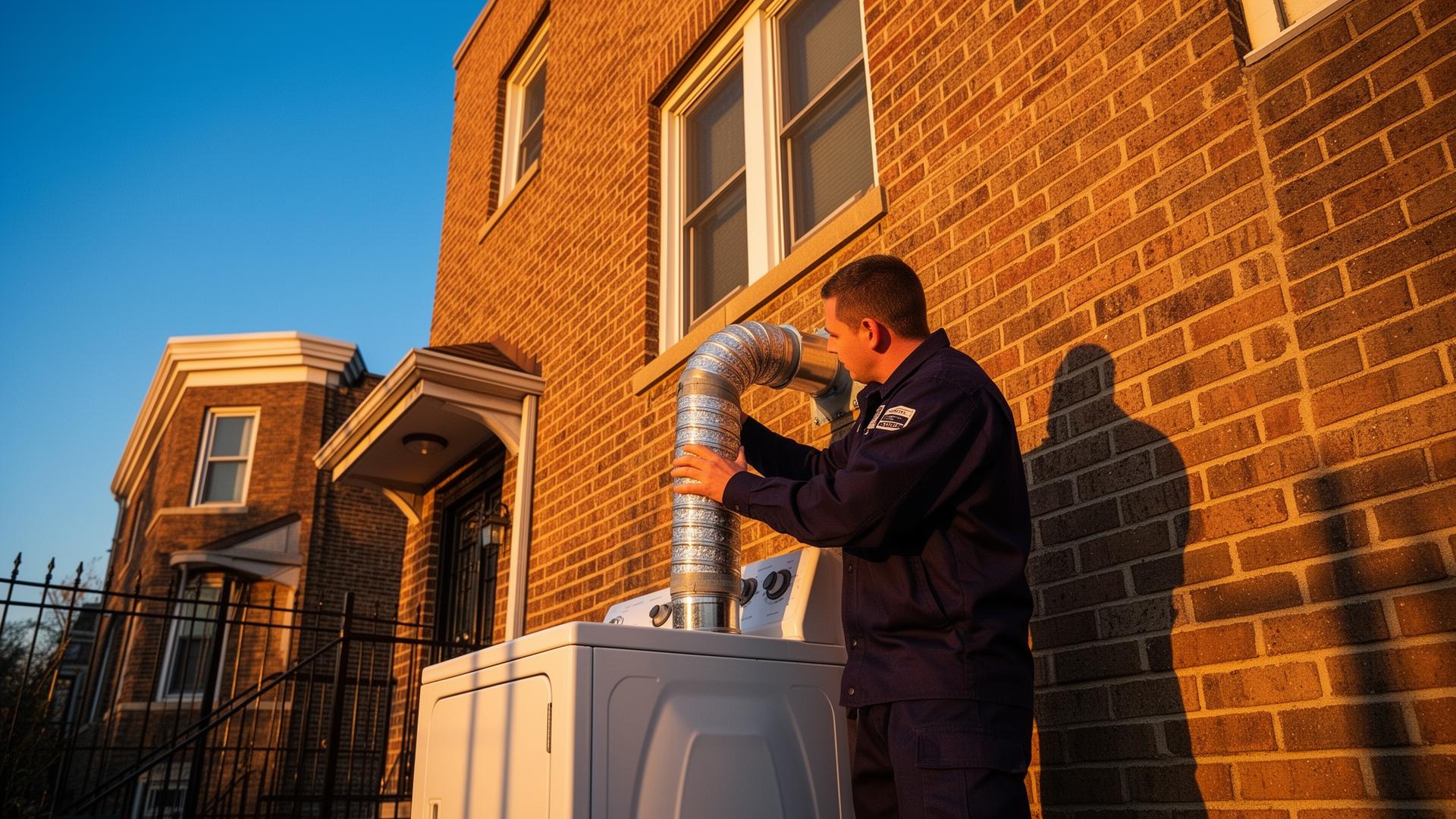
NFPA analysis of 2014–2018 incidents found that failure to clean was the leading factor in 32% of home clothes-dryer fires. The lesson is not that every duct is dangerous; it is that lint accumulation, restricted airflow, and defective exhaust paths should be found before heat and fuel combine.
Source: National Fire Protection Association, Home Fires Involving Clothes Dryers and Washing Machines.
What we measured
Early Chicago field snapshot
Sample-size note
These figures summarize only six completed VentHealth Pro audits. They are operational observations—not a citywide prevalence estimate. We will update this report as the dataset grows.
Airflow improved
Average measured airflow rose from 1,222 FPM before service to 1,725 FPM afterward—a 41% gain across the current sample.
Code defects appeared
Two of six audited systems had at least one flagged installation or material issue under the inspection checklist.
No elevated pre-risk labels
None of the six current records carried a HIGH or SEVERE pre-service label. That is encouraging, but not representative of Chicago overall.
What a real inspection should prove
Airflow
An anemometer establishes a pre-service baseline and verifies the post-service result in FPM.
Back-pressure
A manometer checks whether resistance remains high even after visible lint is removed.
Internal condition
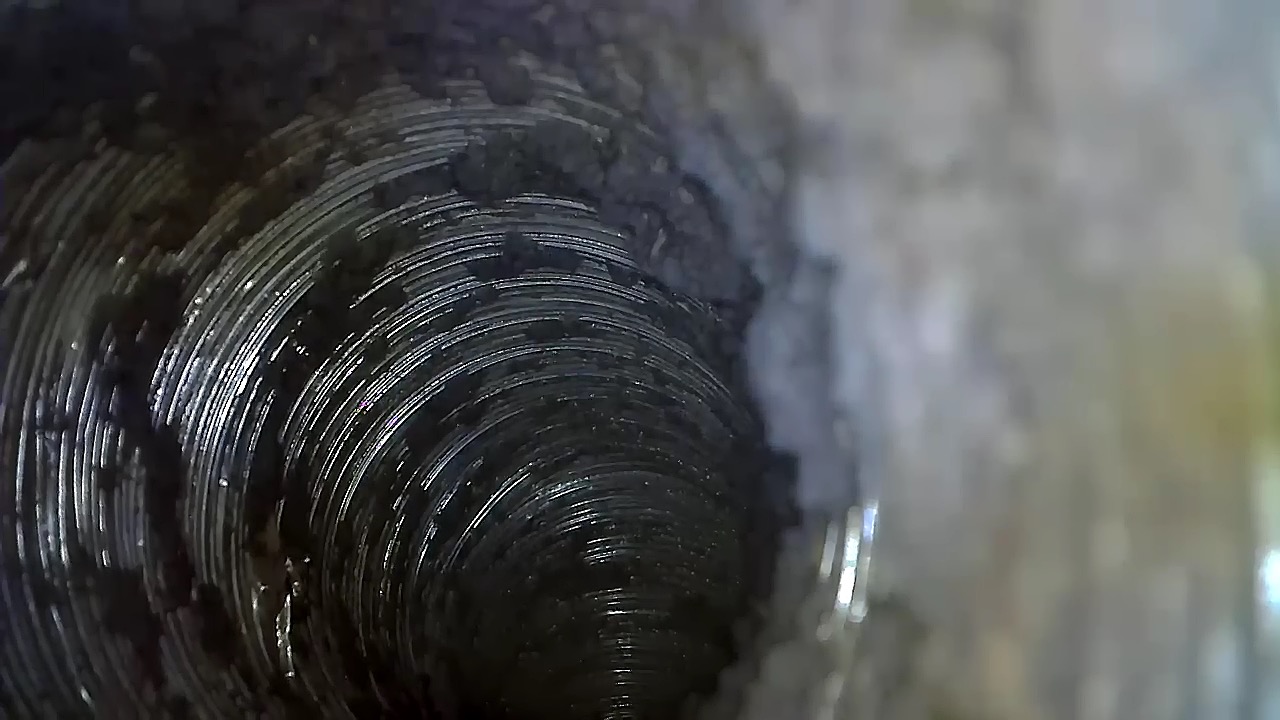
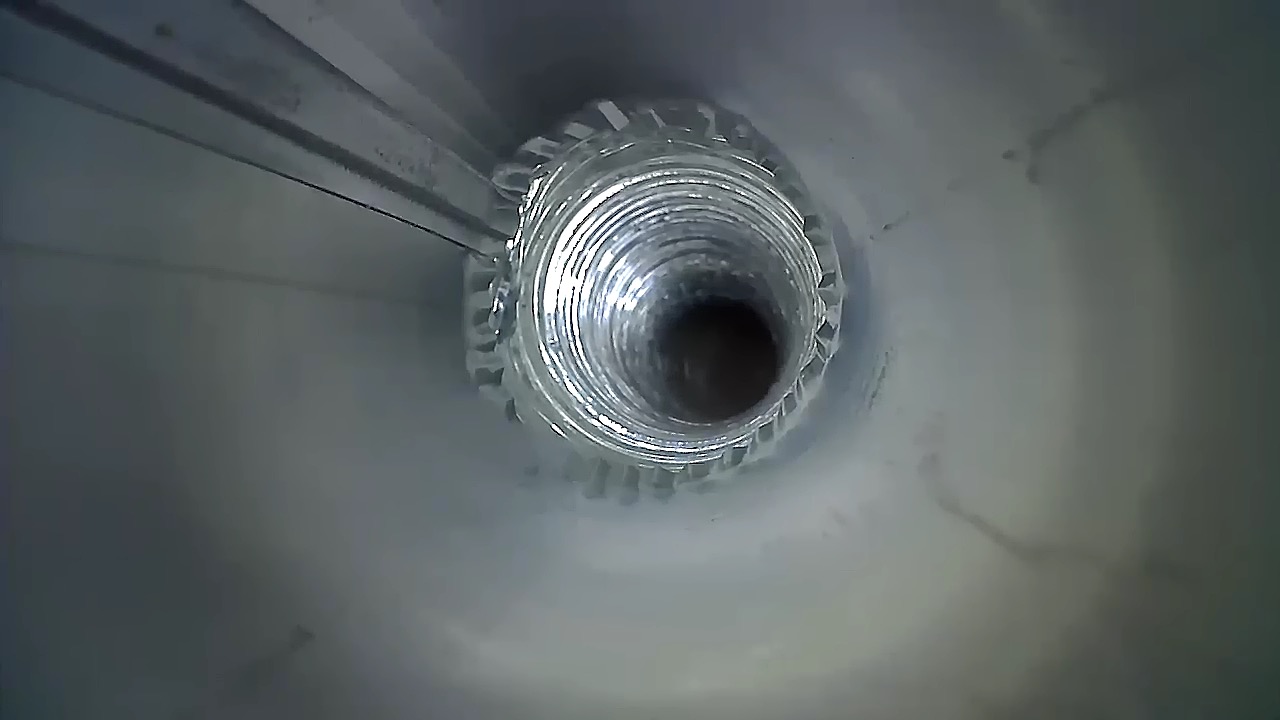
Borescope evidence exposes crushed transitions, separated joints, buildup, and inaccessible defects.
Carbon monoxide
For gas dryers, outlet CO testing helps identify combustion-safety concerns. It is not relevant to electric dryers.
A homeowner's prevention checklist
- 01Stop and investigate when drying time increases, clothes feel unusually hot, or the dryer shuts off mid-cycle.
- 02Keep the lint screen clean, but remember it does not clean the exhaust duct behind the dryer.
- 03Avoid plastic or thin foil transition ducts; the inspected connection should be listed and code-compliant.
- 04Confirm the exterior hood opens freely and does not use a screen that traps lint.
- 05Ask for before-and-after measurements, internal photos, and a written recertification date.
Get measured proof
Know the condition of your dryer vent.
VentHealth Pro documents airflow, pressure, internal condition, code items, and—where applicable—CO, then gives you a printable forensic report.